All Categories
Featured
Developing Your Path to Relief Fundamentals Explained
Table of Contents
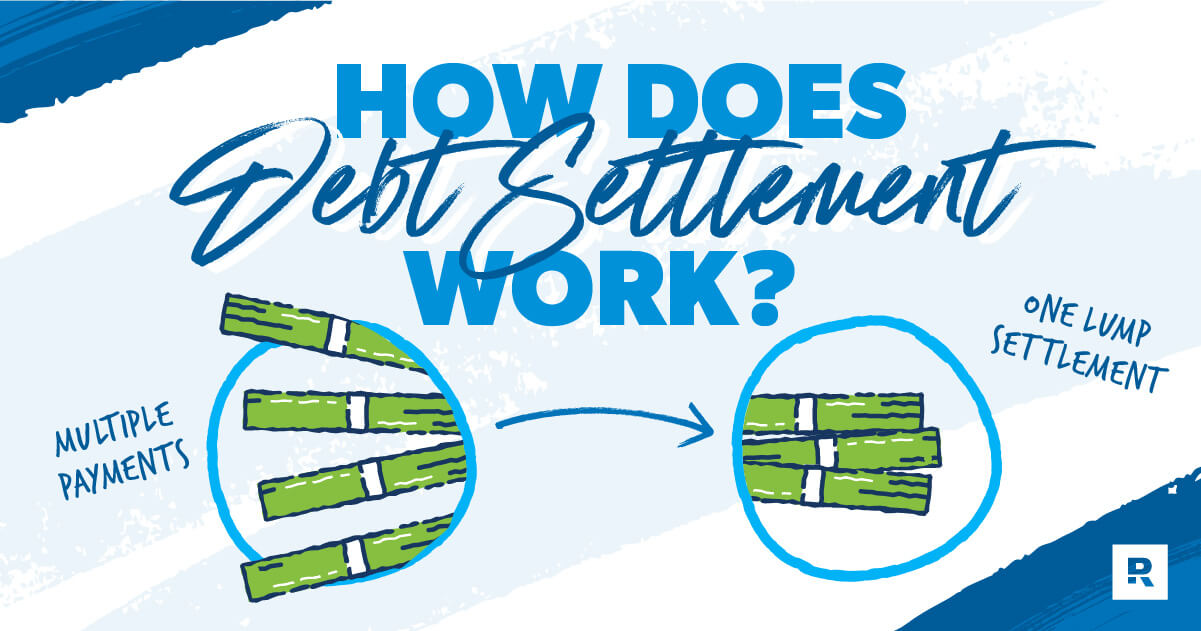
That frees up money in the brief term, and you might have three to 4 years to save toward the settlement quantity. Very dangerous to credit rating, mainly due to missed out on payments and an unfavorable "worked out" mark that could remain on your credit score report for approximately 7 yearsMay be just alternative if various other alternatives (financial obligation loan consolidation, balance transfer charge card, debt mercy) aren't possibleTypically requires a cost to the third event, which might balance out some or every one of the cost savings from financial debt settlementMay help you stay clear of bankruptcy if you've missed several paymentsNot all financial institutions collaborate with financial debt negotiation business Financial debt mercy might be best for you if you are experiencing a financial challenge that makes it nearly impossible to pay for your debt balances.
With a DMP, you make one month-to-month settlement to the debt counseling agency. Those funds are then dispersed to financial institutions of your unprotected financial debts, such as charge card and installment fundings. The company collaborates with your creditors to lower rates of interest or forgo charges, but some lenders might reject such concessions.
A financial debt loan consolidation funding combines your eligible debts right into one new lending. It can assist you pay down financial obligation if you have the ability to safeguard a financing rate that's lower than the ordinary rate of the accounts you're consolidating. However, you have to avoid acquiring financial debt on those newly cleared accounts or your debt can grow also higher.
These cards commonly use a 0% rate of interest introductory duration of as much as 21 months. That provides you a lot of time to eliminate or dramatically minimize your balance while making interest-free payments. For some individuals encountering impossible financial obligation, personal bankruptcy may be the only method to quit collection process and legally resolve their financial obligations.
Top Guidelines Of Ways Trustworthy Providers Uphold Legal Compliance
You might require it if your creditor or a collection agency ever attempts to accumulate on the financial obligation in the future. When a loan provider forgives $600 or even more, they are needed to send you Type 1099-C.
Debt forgiveness or settlement almost constantly harms your credit. Anytime you resolve a financial debt for much less than you owe, it might appear as "worked out" on your credit history record and influence your credit report rating for 7 years from the date of negotiation. Your credit history can also go down significantly in the months leading to the mercy if you fall back on repayments.
Regulatory Considerations Regarding Debt Forgiveness for Beginners
This situation typically results from underreporting earnings, not submitting returns on time, or discrepancies located throughout an Internal revenue service audit. The repercussions of accumulating tax financial obligation are severe and can consist of tax obligation liens, which offer the Internal revenue service a lawful insurance claim to your building as protection for the financial debt.
Higher rate of interest on offered credit score. Earnings and Financial institution Accounts IRS can levy (take) incomes and checking account to satisfy the financial debt. Reduced earnings and disruption of important economic procedures. Residential property Seizure In severe situations, the internal revenue service can take and sell property to cover the financial debt. Loss of important possessions and prospective displacement.
Depression, stress and anxiety, and other psychological health concerns. Social Preconception Dealing with lawsuit from the IRS can bring social preconception. Damages to reputation and relationships. Employment Opportunities An inadequate credit rating due to tax financial obligation can restrict employment possibility. Problem finding or keeping a task. Government Benefits Tax obligation debt might affect eligibility for federal government advantages, such as Social Safety And Security and Medicaid.
Getting My Protecting Yourself from Fraudulent Companies To Work
The OIC takes into consideration numerous aspects, including the taxpayer's income, costs, property equity, and capability to pay. Efficiently negotiating an OIC can be complicated, calling for a thorough understanding of the internal revenue service's standards and a strong disagreement for why your offer lines up with your capability to pay. It is necessary to keep in mind that not all applications are accepted, and the process requires detailed monetary disclosure.
The internal revenue service analyzes your total financial situation, including your revenue, costs, possession equity, and capacity to pay. You must additionally be existing with all declaring and payment demands and not be in an open personal bankruptcy case. The internal revenue service additionally considers your compliance background, reviewing whether you have a record of prompt declaring and paying tax obligations in previous years.
More About Emerging Laws Influencing Bankruptcy Procedures
The application procedure for an Offer in Compromise includes a number of in-depth steps. Initially, you must complete and submit IRS Kind 656, the Deal in Concession application, and Form 433-A (OIC), a collection information statement for individuals. These kinds call for detailed economic information, consisting of details regarding your income, financial obligations, expenditures, and assets.
Back tax obligations, which are unpaid taxes from previous years, can dramatically boost your overall internal revenue service debt otherwise dealt with without delay. This financial debt can accrue rate of interest and late settlement charges, making the initial quantity owed much larger in time. Failure to repay taxes can cause the IRS taking enforcement activities, such as providing a tax lien or levy versus your property.
It is essential to resolve back tax obligations asap, either by paying the sum total owed or by setting up a layaway plan with the internal revenue service. By taking positive steps, you can stay clear of the buildup of additional rate of interest and penalties, and prevent much more hostile collection actions by the IRS.
One typical factor is the belief that the taxpayer can pay the total either as a lump sum or via a layaway plan. The IRS likewise takes into consideration the taxpayer's revenue, expenses, possession equity, and future earning possibility. If these factors indicate that the taxpayer can pay for to pay more than the supplied amount, the internal revenue service is likely to turn down the offer.
More About Prevalent Myths Regarding Debt Forgiveness
It is critical to provide exact and full info in your application and to seek advice from a tax obligation professional to improve the possibilities of acceptance. Dealing with internal revenue service financial obligation can be intricate and overwhelming. Tax obligation specialists, such as CPAs, tax attorneys, or enrolled agents, can supply invaluable help. They have the experience to navigate the ins and outs of tax obligation legislation and IRS treatments.

Table of Contents
Latest Posts

Indicators on Complimentary Accessible Financial Literacy Resources That Help Consumers You Need To Know
Developing Your Path to Relief Fundamentals Explained

Not known Facts About Understanding Your Protections Regarding Financial counseling for veterans in North Carolina who feel trapped by credit card debt
More
Latest Posts
Indicators on Complimentary Accessible Financial Literacy Resources That Help Consumers You Need To Know
Developing Your Path to Relief Fundamentals Explained